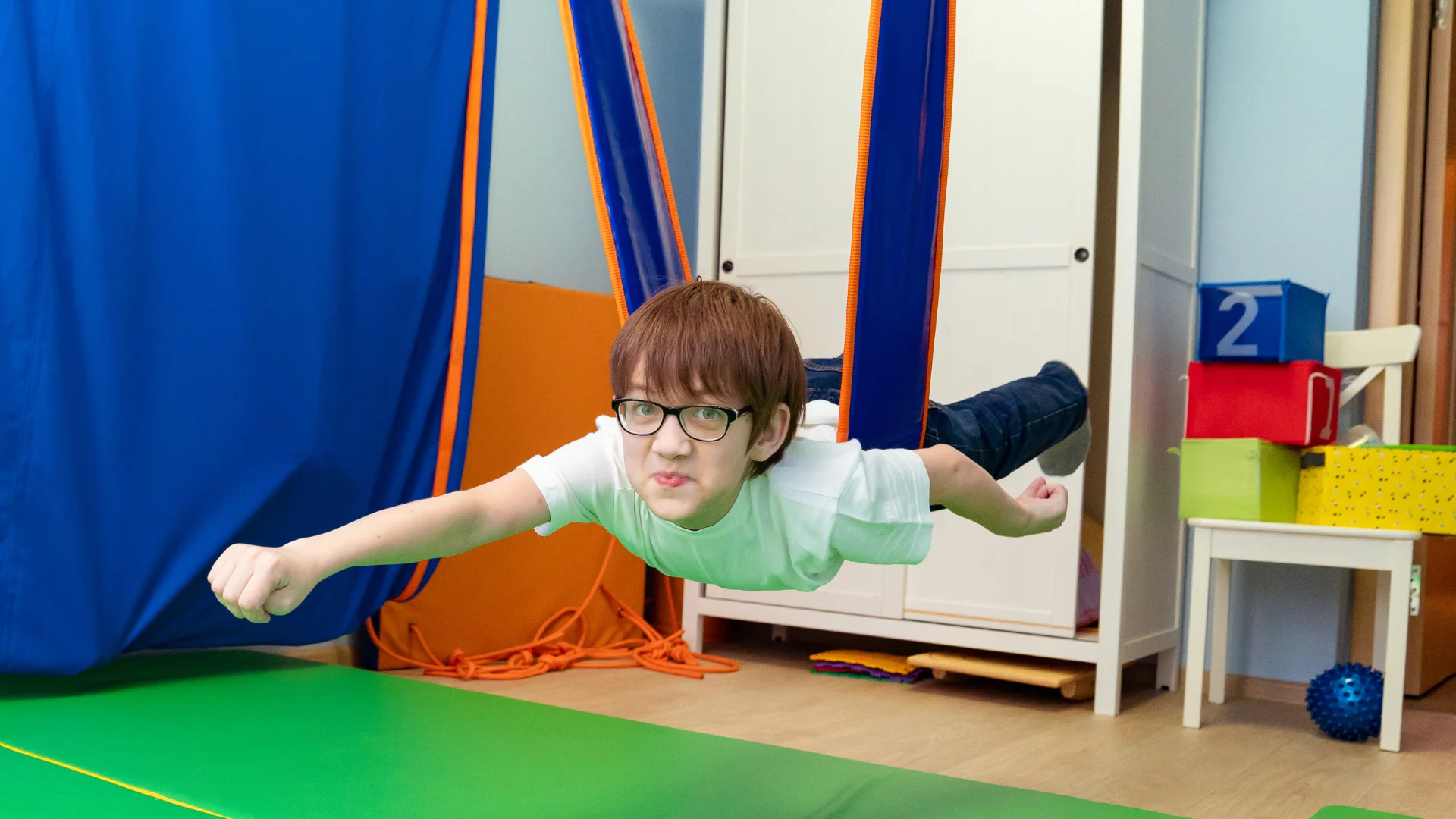
Motor Coordination and Sensory Processing

At Bloom Clinical, we specialise in providing professional assessments for motor coordination and sensory processing challenges, in both children and young people. 

These comprehensive evaluations are designed to identify and understand the difficulties individuals may face in movement, coordination, and sensory integration, paving the way for tailored strategies and interventions that promote greater independence and well-being.

Located in St Albans, Hertfordshire, our clinic offers a compassionate and supportive environment where individuals and families can access expert care.

 Whether the challenges are affecting academic performance, daily routines, or personal relationships, our assessments provide the clarity needed to take positive steps forward.

Motor Coordination and Sensory Processing St Albans

Understanding Motor Coordination and Sensory Processing Challenges

Motor coordination refers to the ability to execute smooth, purposeful movements, such as writing, running, or using utensils. Difficulties in this area, often described as dyspraxia or developmental coordination disorder (DCD), can affect both fine motor skills (e.g., writing) and gross motor skills (e.g., balance or catching a ball). These challenges may result in frustration, low confidence, or difficulties with academic and social tasks.

Sensory processing involves how the brain interprets and responds to sensory input, such as touch, sound, and movement. Some individuals may experience sensory processing disorder (SPD), where the brain struggles to process sensory information effectively. This can lead to hypersensitivity or hyposensitivity to sensory stimuli, impacting daily activities and interactions.

Who Can Benefit from These Assessments?

Motor coordination and sensory processing assessments are ideal for children who:

  • Struggle with movement, balance, or coordination tasks.
  • Experience difficulties with handwriting or other fine motor activities.
  • React strongly to sensory inputs like noise, textures, or bright lights.
  • Seek out or avoid sensory experiences (e.g., spinning, hugging, or rough play).
  • Have challenges participating in everyday activities due to movement and/or sensory differences.
 

 If you or your child face challenges in these areas, our assessments provide insights into the underlying causes and offer practical recommendations to support development and well-being.

What to Expect During the Assessment

At Bloom Clinical, we take a thorough and person-centred approach to every assessment. The process includes:

  • Detailed History-Taking: Exploring developmental milestones, current challenges, and past experiences to build a full picture of the individual’s needs.
  • Observation and Evaluation: Assessing fine and gross motor skills, visual -motor, praxis, sensory integration, and responses to various sensory stimuli using evidence-based, globally recognised assessment tools.
  • Input from Key Observers: For children, input from parents, caregivers, or educators helps create a comprehensive understanding. For adults, we consider self-reported experiences and, where appropriate, insights from close family members.
  • Standardised Assessments: Utilising tools designed to evaluate motor coordination, balance, sensory sensitivities, and sensory preferences.

Assessment Costings

Full assessment and Report £795

The process is conducted in a comfortable and supportive environment, with our experienced clinicians ensuring that every individual feels at ease.

Motor Coordination and Sensory Processing st albans (3)

More Information

1. Screening Information

The first step of our assessment process is to complete some screening information so that we can find out more about you and determine together if an assessment is the right next step. It’s also an opportunity for you to ask more about our assessments and let us know of any needs or preferences you may have. This can be done by telephone or via a referral form.

The Sensory Processing Measure assessment tool will be sent via online link for completion (if there are difficulties with this, a member of the team can call to go through the assessment and answers) as well as the interoception awareness questionnaire for completion. A detailed developmental history and occupational profile will be used to assess patterns of developmental milestones and occupational skills and needs.

For face-to-face assessment, we will use a range of gold-standard, standardised tools (age dependent) inclusive of the Movement ABC-3, MFun, SIPT, Ayres’ Structured clinical observations, home checklists, school checklists, and self-report checklists.

Once all the assessments tools are complete, an MDT meeting will be held to review all the information gathered and analyse the results collectively. The information will be considered alongside the DSM-V diagnostic criteria for Developmental Coordination Disorder (DCD) to ensure a clinically robust evaluation process.

Once the assessment and findings have been discussed, a report will be written by the team and sent to you. Our reports are comprehensive and include details of our assessment, information provided by you, a diagnosis if relevant, our understanding of your child’s difficulties, our recommendations for your child and lastly resources for you to explore.

You will receive a full, in-depth, clinically robust evaluation report which can be utilised across environments.  

We recommend that you share our report with your GP along with any other health care professional who is supporting your child (e.g. GP, Paediatrician, etc).  Our report can also be shared with your child’s education setting and used towards an EHCP – Education Health Care Plan, where required.

Schedule A Call Back

Motor Coordination and Sensory Processing

At Bloom Clinical, we are dedicated to helping children and families navigate motor coordination and sensory processing challenges with clarity and confidence. 

Our expert assessments provide the foundation for tailored strategies that promote independence, development, and well-being.

If you’re ready to take the next step towards understanding and supporting your child’s unique needs, contact us today. Let’s work together to unlock their full potential.